Let me thank you, Lord, for bringing me the strength to re-think my words before I said something foolish.
The works of God are all of them good.
Let me thank you, God, for sending me wisdom to avoid offending someone with my opinion.
The works of God are all of them good.
Let me thank you, Jesus, for encouraging me when I received terrible news the other day.
The works of God are all of them good.
Let me thank you, Holy Spirit, for pulling me up when I was at the end of my resources.
The works of God are all of them good.
Let me thank you, Mary, Mother of God, for your gentle, nurturing presence in my life.
The works of God are all of them good.
Let me thank you, Lord, for world in which I find myself, for the people in my life, and for the many times you have protected and lead me on my journey.
The works of God are all of them good.
Let me thank you for your gifts of salvation and redemption, for your Word of promise that I treasure and share.
Let me put down roots, let me open up my petals, let me praise you, let me bless you . . . let me thank you, Lord.
John 14:16-17:Jesus taught us saying, “I shall ask the Father, and he will give you another Paraclete to be with you forever, the Spirit of truth whom the world can never accept since it neither sees nor knows him; but you know him, because he is with you, he is in you”.
We tend to think of ourselves as independent, separate beings; we believe that our skin holds our organs in and the world out . . . and yet we know this thinking to be incorrect. The human skin is a porous organ with billions of pores that act as gateways to the world; and just so does the Paracletepermeate our souls and call us to God.
And God says: No matter how much you try to remain apart from me . . . I will be with you. No matter how much you struggle to remain separate from me . . . I will be in you. This is incontrovertible. This is immutable. This is absolute. My eternal truth will be with you and in you always . . . for this is how much I love you.
We are God’s well-loved creatures. God’s Spirit abides within us. We are loved. Let us act as though we understand that it is Godwho made us . . . and Godwho is in us.
Type the words Holy Spirit in the blog search box, see what comes up, and spend some time reflecting on what it means when Jesus says that God is in us.
James Tissot: The Meal in the House of the PhariseeRecognizing their craftiness, he said to them, “Show me . . .” [Yet] they were unable to trap him by something he might say before the people, and so amazed were they at his reply that they fell silent.
Craftiness approaches us from many angles and wearing many different kinds of shoes. In our work and in our family life, particularly when we trust others from a sense of habit rather than from a discernment of a truth we see in them, we may fall into a trap which Jesus cleverly avoids in today’s reading.
When we operate from a source of good, we may be easily fooled by others when we speak in and for ourselves.
When we operate from a source of good, we will amaze our enemies when we speak in and for Christ.
In another place in Luke’s Gospel, Jesus tells us: When they take you before synagogues and before rulers and authorities, do not worry about how or what your defense will be or about what you are to say. For the Holy Spirit will teach you at that moment what you are to say. (12:11)
In our sense of panic when we are attacked, we may automatically sink to the level of deception which has assailed us, thinking to outwit our opponents. Or, we might put our fear on hold and call on God to give us the proper words that will amaze and silence our challengers.
The value of speaking with God morning, noon and night is this: When we are under siege – whether from a known enemy or a loved one – we will have a well-trained homing instinct, a ready portal, a clean and open conduit to God. The answer we seek in desperation comes to us nearly unbidden so that we might amaze and silence those who seek our ruin or even our end.
As we travel through our days, moving from one activity to another with little time for introspection, we must take time to recognize and give thanks to the Spirit which keeps us free and holy. It is this relationship which guides us in recognizing craftiness in others. It is this relationship which guides us in recognizing what is Caesar’s and what is God’s. And it this relationship which gives us the gift of sudden grace to recognize the difference between those who live in the world of deception, darkness and illusion and those who live in the wholeness and goodness of God.
Monday, December 19, 2011 – Numbers 9:15-23 – God’s Presence in the Desert
Yesterday we reflected on the image of the fiery cloud, the pillar of smoke and flame that both guides and protects the Hebrews. Today we remain for a while in this image as we begin our final desert crossing to Christmas. Many of us have too much to do in the days that run up to December 25th. We must be wary of placing all our energy in the physical preparations for the coming holiday because we will need much more than food, water, and a sturdy tent to cross through the desert of consumerism; we will need patience and forbearance, to navigate shopping malls, food stores and traffic. And we will need forgiveness and compassion to plot a successful course through tricky family dynamics, demanding colleagues, and the needs of friends and strangers. We will want to fill our internal stores with heavy doses of God’s Word, God’s voice . . . and God’s presence.
So much of life seems to be a desert existence, a constant struggle againstunseen but powerful forces that appear to control all we do and much of what we think. In dark days we struggle against headwinds that deliver blasts of driven sand; we hunker down in our tents to secure ourselves against the onslaught. When we must move from place to place, we barely survive the trek from one oasis to the next. There are timesof happiness in which we experience joy; yet with those times there is often a sense of impending doom; somewhere inside us is a haunting that tells us to enjoy our contentment while it lasts because darkness stalks us on each leg of our journey. The desert crossing is one we do not want to experience alone. We know that we will need both stamina and provisions yet where do we find the surety and comfort that will see us through? There is only one presence that provides all for the body, mind and soul . . . the presence of God.
Gobi Desert OasisIt is the fool who prepares carelessly for the wilderness journey; a wise woman or man goes first in search of God. The fool stores up supplies and necessities; the wise one makes plans and trusts in the Lord. The fool believes that security and comfort can be purchased; the wise one knows that happiness and eternal safety lie in doing what is just. The fool relies on personal strength and durability; the wise one perseveres in seeking God, knowing that everything we need for the journey is found in one place . . . only in the presence of God.
The fiery cloud we reflect on today is a pre-figuration of the Holy Spirit whom Jesus sends after his Ascension to the Father as tongues of fire that produce speech that all can understand. (Acts 2) Just as Jesus and Scripture are the Word of God, The Holy Spirit is the Breath of God, and for that reason this advocate has inspired the writing of scripture. The symbols of the Holy Spirit are: water, the oil and the seal of anointing, fire, the hand/finger of Jesus who heals, the dove which finds the olive branch after the flood along with the dove which descends at Jesus’ baptism, and the image of cloud and light. This cloud that accompanies the Hebrews, descends when Solomon builds the Temple in Jerusalem and also at Jesus’ Transfiguration. This Spirit surrounds Jesus at his Ascension. This Spirit lives with us today to accompany us on our desert wanderings. This Spirit is the presence of God.
I have always liked this image. It is, as we have said before in our Noontime reflections, not a place of destruction but a place of sure refuge, a place of certain peace. It is something we can step into when we find we have a very difficult and frightening task to complete. It is a fiery pillar of refinement that draws us toward and not away from God. It is a blazing column of smoke and ash that scours off the excess of life to leave behind the pure gold of God’s presence. It is the only sure guide and protector that will guarantee us safe passage through the searing experience of the desert.
![Projectjanetsuecarole 008[1]](https://thenoontimes.com/wp-content/uploads/2014/02/projectjanetsuecarole-0081.jpg?w=300)
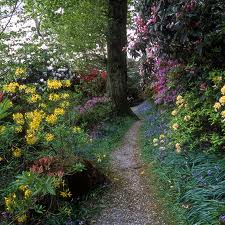 Let me thank you, Lord, for world in which I find myself, for the people in my life, and for the many times you have protected and lead me on my journey.




 The Noontimes