Jesus proposes that we forego power and wealth, pleasure and honor. Today we consider the solution to overcoming our overwhelming desire for pleasure, and our deep aversion to pain and suffering.
Blessed are those who mourn, for they will be comforted.(NSRV)
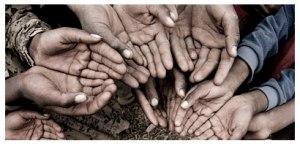
This vision of the world sees those who suffer as close to God.
Happy are those who mourn; God will comfort them! (GNT)
This picture of the world sees those who grieve as central to God’s design.
Those who are sad now are happy. God will comfort them. (ICB)
This view of the world sees those who are addicted to their own comfort above that of others as missing the essence of God’s plan.
You’re blessed when you feel you’ve lost what is most dear to you. Only then can you be embraced by the One most dear to you. (MSG)
This picture of the world sees aversion to suffering as an obstacle to intimacy with God.
The Gospels show us how God’s Word brings healing and comfort to those who mourn. They show us that Jesus makes a choice to cure and transform the wounded and betrayed. They show us that the Spirit is always abiding with those in the margins of society, rather than with those who hold themselves apart to seek after their own preference and desires.
How do we see ourselves as becoming an essential part of God’s designs and plans?
When we compare varying versions of this verse, we better understand how we might enrich our lives by sacrificing our comfort to tend to the suffering of others.
We have heard the words, “Do not fear”. We have struggled to recognize the Christ who accompanies us always. For the next few days we will reflect on the structure of society Jesus proposes when he asks us to forego power and wealth, pleasure and honor. We think through the new Law of Love that supersedes the old Mosaic Law. And we spend a bit of time considering the inverted nature of God’s Kingdom.
Blessed are the poor in spirit, for theirs is the kingdom of heaven. (NSRV)
This vision of the world sees the broken-hearted as close to God.
Happy are those who know they are spiritually poor; the Kingdom of heaven belongs to them!(GNT)
This picture of the world sees the broken-hearted as central to God’s design.
Those people who know they have great spiritual needs are happy. The kingdom of heaven belongs to them. (ICB)
This view of the world sees the wealth as non-essential in God’s plan.
You’re blessed when you’re at the end of your rope. With less of you there is more of God and his rule. (MSG)
This picture of the world sees wealth as a barrier to intimacy with God.
The Gospels show us how God’s Word walks among the poor in spirit. They show us that Jesus makes a choice to dwell with the lame, the mourning, the betrayed and the ignored. They show us that the Spirit is always hovering along the margins of society, rather than with those who hold great amounts of wealth.
How do we see ourselves as fitting into God’s designs and plans?
When we compare varying versions of this verse, we open ourselves to the joy of living in poverty with Jesus and the millions of poor who people the earth.
Once the hustle and rush of Christmas and New Year celebrations have passed, we may feel a sense of loss when we no longer see family and friends as much as we would like. Or we may feel frustration with not completing all that we had planned to accomplish during the holiday. In either case, we might want to reflect on the story of Jesus’ presentation in the Temple.
We know that Mary and Joseph marveled at the attention of the shepherds and kings and that they were clearly aware that their child held a special place in God’s plan. Luke tells us that Mary kept all these things to herself, holding them dear, deep within herself.
If Mary and Joseph did not fully understand the consequences of the entrance of God’s Word into the world, they must have understood that the shepherds had followed the words of the angels, and the magi followed their guiding star. Then when they take their infant to the Temple, two people they have never met recognize their child as the Christ. Luke tells us that they were speechless with surprise.
How was it that Simeon was able to recognize the child as the redeemer of the world? And how do we prepare ourselves to recognize him?
In Jerusalem at the time, there was a man, Simeon by name, a good man, a man who lived in the prayerful expectancy of help for Israel. And the Holy Spirit was on him.
Matthais Stomer: Adoration of the Christ Child
How was it that Anna was able to rejoice when she saw the child Jesus as the fulfillment of a promise made by God? And how might we share the good news that God’s Word has come to live among us?
Anna the prophetess was also there, a daughter of Phanuel from the tribe of Asher. She was by now a very old woman. At the very time Simeon was praying, she showed up, broke into an anthem of praise to God, and talked about the child to all who were waiting expectantly for the freeing of Jerusalem.
How was it that Mary, Joseph, Simeon and Anna recognized and honored the child God? And how might we be as faithful, hope-filled and loving? Who are the angels we ignore? How many stars do we decide are too distant to follow? How might an exploration of these verses today bring us a sense of connection and peace?
Tomorrow, Christ’s inverted kingdom.
When we compare varying translations of these verses using the scripture link and the drop-down menus, we discover a reason to share with others The Word that we hold deep within.
For more reflections on Simeon and Anna, enter their names into the blog search bar and explore.
For commentary on these stories, visit: http://www.biblicalarchaeology.org/daily/biblical-topics/new-testament/mary-simeon-or-anna-who-first-recognized-jesus-as-messiah/
Valentin de Boulogne: Saint Paul Writing his Epistles
Although we have closed Christmastide we pause to spend a few moments with some of Paul’s words to the Ephesians about the secret plan of God, the mystery of Christ, the Word who arrives to live among us. These words remind us whywe have nothing to fear.
The following verses are from THE MESSAGE translation. When we use the scripture link and drop-down menus to compare other versions, God’s plan begins to clarify for us.
Paul tells the Ephesians – and us – that he is imprisoned because of his belief in Christ; yet he appears to have no fear of his impending punishment.
This is why I, Paul, am in jail for Christ, having taken up the cause of you outsiders, so-called. I take it that you’re familiar with the part I was given in God’s plan for including everybody. I got the inside story on this from God himself, as I just wrote you in brief.
Paul tells the Ephesians – and us – that he is confined because of his belief in Christ; yet he appears to have no fear of his approaching trial.
As you read over what I have written to you, you’ll be able to see for yourselves into the mystery of Christ. None of our ancestors understood this. Only in our time has it been made clear by God’s Spirit through his holy apostles and prophets of this new order.
Paul tells the Ephesians – and us – because of his belief in Christ, that he has nothing to fear in this world.
The mystery is that people who have never heard of God and those who have heard of him all their lives (what I’ve been calling outsiders and insiders) stand on the same ground before God. They get the same offer, same help, same promises in Christ Jesus. The Message is accessible and welcoming to everyone, across the board.
Paul tells the Ephesians – and he tells us – that because of our belief in Christ, we have nothing to fear in this world. Paul tells us that we need only step into the Christmas gift of grace, peace, joy and hope. And he tells us that when we witness to this gift, we begin to act with and in Christ in our world.
Wishing each of you in the Noontime circle a New Year filled with Christ’s grace and peace, joy and hope.
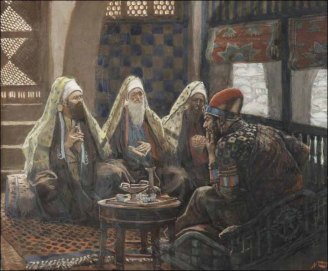
Matthew describes divergent reactions to the news that a new king has come to Judea. Scholars from the east spend time and finances looking for this new leader. King Herod and the city of Jerusalem show us a different response. What is our own reaction to this news?
Magi from the east arrived in Jerusalem, saying,“Where is He who has been bornKing of the Jews? For we sawHis star in the east and have come to worship Him.”
When Herod the king heard this, he was troubled, and all Jerusalem with him.
In the Day by Day meditation presented in today’s MAGNIFICAT, Fr. Alfred Delp has more words for us about the magi. They are the men with clear eyes that probe things to their very depths. They have a real hunger and thirst for knowledge. And we might ask . . . what is our own hunger? After what do we thirst?
Delp’s words mean more to us when we remember that he died in a Nazi concentration camp: I know what that means now. They are capable of arriving at right decisions. They subordinate their lives to the end in view and they willingly journey to the ends of the earth in quest of knowledge, following a star, a sign, obeying an inner voice that would never have made itself heard but for the hunger and the intense alertness that hunger produces.And we might ask ourselves . . . are we willing to subordinate our lives to such a quest? Are we willing to give up the familiarity of our fears to follow the star, the sign that Christ wants to move and act in us? Do we genuinely welcome the newness of the Christ child? Are we willing to accept this gift of Epiphany, this revelation, this surprise?
More from Delp: What are we looking for anyway? And where will we find genuine yearning so strong that neither fatigue, nor distance, nor fear of the unknown, nor loneliness, nor ridicule will deter us?And we might ask . . . are we willing to take on these questions each day as we rise, each Noontime as we pause, and each evening as we retire?
Herod responds to this mystery of knowledge, redemption and love with his familiar fears. He flies into a rage and lashes out at this child who represents something new. The magi, on the other hand, tell us how to take in the gift of this child who grows to be a man willing to sacrifice all in order to save us.
They rejoiced exceedingly with great joy. After coming into the house they saw the Child withMary His mother; and they fell to the ground andworshiped Him. Opening their treasures, they presented to Him gifts of gold, frankincense, and myrrh. And having been warned by God in a dream not to return to Herod, the magi left for their own country by another way.
As we close this Christmastide, we reflect on our willingness to give our fears to the Christ who is able to turn harm into good. As we carry this season of joy into the new year, we consider our openness to the journey of life in Christ, the quest for a food that satisfies for eternity. And we consider our persistence in the pursuit of the star that will lead us to Christ and his surprising offer of eternal peace. This is an Epiphany worth celebrating.
For a homily on spirituality versus religion, and today’s feast as a journey of seeking – our quest for God, and God’s relentless quest for our hearts, click on the image of the Magi and the Holy Family.
Although Christmastide has come to a close, we continue to carry the message of hope and rescue with us beyond our celebration the true arrival of the Christ in our lives.
We might best prepare ourselves for the discovery and acceptance of this amazing gift by remembering Aaron’s blessing to the tribes. With this reception of God’s grace, and with all that we have encountered in this season of Christmas, we are hopeful that we will remember . . . we have nothing to fear.
May theLordbless you and take care of you;
And may we remember that the Christmas gift of Jesus lives and breathes and moves in each of us . . . even our enemies.
May theLordbe kind and gracious to you;
And may we remember that the Christmas grace of the Christ moves and acts and witnesses to each of us . . . even when we have separated ourselves from God.
May theLordlook on you with favor and give you peace;
And may we remember that despite what we se, despite what we hear, despite what we feel . . . we have nothing to fear.
Amen.
Wishing each of you Christmas peace and joy throughout the year.
To compare other translations of this blessing, use the scripture link and the drop-down menus to explore.
Jesus prepares his followers for his own exodus from the mortal life to the eternal. After taking Peter, James and John up the mountain to witness his own transfiguration, he tells them words that engender hope, the words he always tells us: Do not be afraid.
And Jesus came to them and touched them and said, “Get up, and donotbeafraid.” (Matthew 17:7)
Jesus feels compassion for the women who tend to him so faithfully. Knowing that their fidelity is an exemplar to all of us, Jesus says the words he says to all of us: Do not be afraid.
The angel said to the women, “Donotbeafraid; for I know that you are looking for Jesus who has been crucified. (Matthew 28:5)
Jesus feels deep love for those who want to follow him, knowing that their journey will be difficult. To them and to us Jesus lovingly says: Do not be afraid.
Then Jesus said to them, “Donotbeafraid; go and take word to my brethren to leave for Galilee, and there they will see me.” (Matthew 28:10)
Years after Jesus tells those closest to him that he wants to bring unity out of division, he tells each of us that he wants to erase all fear and division. Jesus tells all of creation that fidelity helps us to see how love converts all harm to good, hope sustains all life through turmoil, and love brings all light from darkness.
Today we might ask, “How can we bring faith, hope and love into our lives every day as we are poised to begin a new year?”
Although Christmastide has closed, we continue to reflect on the many ways God says to us, “Do not be afraid. I live within you always”.
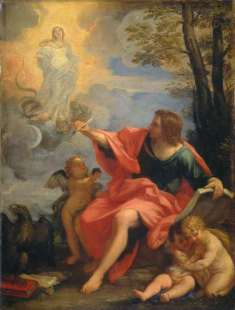
John brings us his Patmos vision in the first chapter of Revelation.
I, John, your brother and fellow partaker in the tribulation and kingdom and perseverance which are in Jesus, was on the island called Patmos because of the word of God and the testimony of Jesus. (verse 1:9)
John tells us why he writes his apocalyptic prophecy.
I heard behind me a loud voicelikethe soundof a trumpet,saying,“Write in abook what you see, and senditto theseven churches”. (verses 1:10-11)
John describes the Living God’s response to his fear.
When I saw Him, Ifell at His feet like a dead man. And Heplaced His right hand on me, saying,“Do not be afraid;I am the first and the last, and theliving One; and Iwas dead, and behold, I am alive forevermore, and I havethe keys of death and of Hades”. (verse 1:17-18)
The Cave of St. John on the Island of Patmos
Today, as we reflect on John’s words, we might ask ourselves, “In this new year, how do we open ourselves to the promise of peace God offers to us with the gift of his entry into the world as a small, vulnerable child?”
Although Christmastide has closed, we continue to reflect on the meaning of the prophetic description of the Living God as the Alpha and Omega, the first and the last.
When we explore other translations of these verses, we begin to understand how our fears disconnect us from the one who is the beginning and end of all.
Jean Baptiste Marie Pierre: The Adoration of the Shepherds
John reminds us that the one sure antidote against fear is love.
There is no fear in love; but perfect love casts out fear, because fear involves punishment, and the one who fears is not perfected in love. (NASB)
John tells us that the power of love overcomes the power of evil, always.
There is no fear in love; perfect love drives out all fear. So then, love has not been made perfect in anyone who is afraid, because fear has to do with punishment. (GNT)
John reminds us that all love that emanates from God has the power to heal and transform.
God is love. When we take up permanent residence in a life of love, we live in God and God lives in us. This way, love has the run of the house, becomes at home and mature in us, so that we’re free of worry on Judgment Day—our standing in the world is identical with Christ’s.There is no room in love for fear.Well-formed love banishes fear. Since fear is crippling, a fearful life—fear of death, fear of judgment—is one not yet fully formed in love. (MSG)
John tells us that as we grow in love and in Christ, we no longer are a harbor of fear.
Today, as we reflect on our fears, we might ask ourselves, “In this new year, how might we make ourselves ready to grow in love?”
Although Christmastide has closed, we continue to reflect on the confidence God’s words bring to us, “There is no room in love for fear”.









 The Noontimes
