Ash Wednesday and the season of Lent came to us last week and in preparation we wandered through our valleys of dry bones and we have examined both the exterior and interior law. Yesterday we reflected on social justice and how the human race strives – or does not strive – to match our words with our deeds. Today we look at a brief, but powerful, prophecy. Amos brings us words we can easily use today.
So let us take on the responsibility of living a life of integrity as we look at these verses to ask ourselves . . .
How do we resist the corruption we nearly always find in powerful and influential forces?
How do we balance our day-to-day reality with the call of the Gospel?
How do we advocate for those who have no voice?
God says: I have sent to you a prophet who has much to offer you. I have given you the courage and zeal to explore his prophecy. And I have bestowed on you the love and compassion you will need to act on his words that come from me. Do you have the determination to explore my Word that arrives through Amos? Do you love me in such a way that you will put aside a few minutes for me each day to study my word? Do you believe that you too are one of my valued prophets?
God gives us many Biblical figures with whom we might journey as we seek to know ourselves, our God, and others better during this Lenten tide.
We re-post this reflection written in 2014 in union with those who stand up for personal and communal freedom justice on every continent. The human race seems determined to create chaos rather than unity. Let us come together with all those who seek the common good. And let us pray not only for the oppressed but also for those who commit acts of oppression.
A Prayer to Nourish Us Here and Now
Matthew records the words Jesus speaks to those who gather round him when he describes the kingdom of God in the Beatitudes, the new Law of Love that supersedes the law of the Torahand Moses. We have spent much time this week reflecting on the Interior Law placed within each of us at our inception. This law flourishes in faith, grows in hope and acts in love. And so we pray, we look for strength as we build God’s kingdom.
BBC News: South Sudan in Crisis
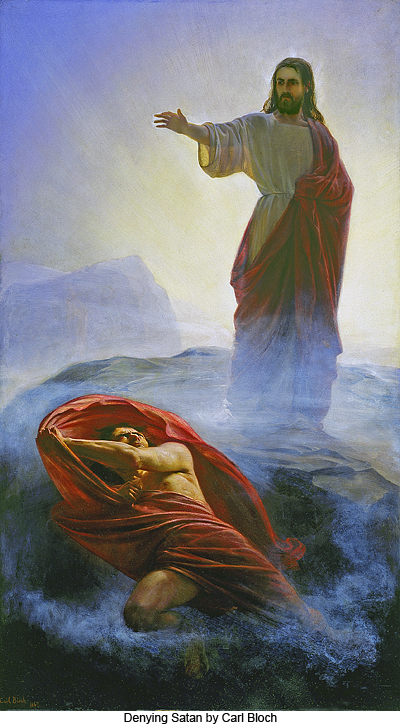
You have heard it said, an eye for eye and a tooth for a tooth. But I say to you, offer no resistance to one who is evil.
Around the planet the peoples of the world constantly look for answers to difficult questions; they consistently yearn for security and peace; they continually hunger for the words that Jesus speaks in his Sermon on the Mount. And so we pray, we look for courage as we build God’s kingdom.
When someone strikes you on the right cheek, turn the other one as well.
In Ukrainethe people struggle to find leadership that is free of corruption. And so we pray, we look for integrity as we build God’s kingdom.
If anyone wants to go to law with you over your tunic, hand over your cloak as well.
In South Sudanthe people struggle to live a life without fear. And so we pray, we look for justice as we build God’s kingdom.
Reuters: Thai Protestors Target Ministries and Threaten Stock Exchange
Should anyone press you into service for one mile, go for two.
In Thailandthe people fight over who will bring them into the light. And so we pray, we look for truth as we build God’s kingdom.
Give to the one who asks of you, and do not turn your back on the one who wants to borrow.
In Venezuelathe people fight over how they will share the power of leadership. And so we pray, we look for peace as we build God’s kingdom.
You have heard it said, you shall love your neighbor and hate your enemy. But I say to you, love your enemies and pray for those who persecute you.
Swiss Broadcasting: Activists Injured by Gunshots
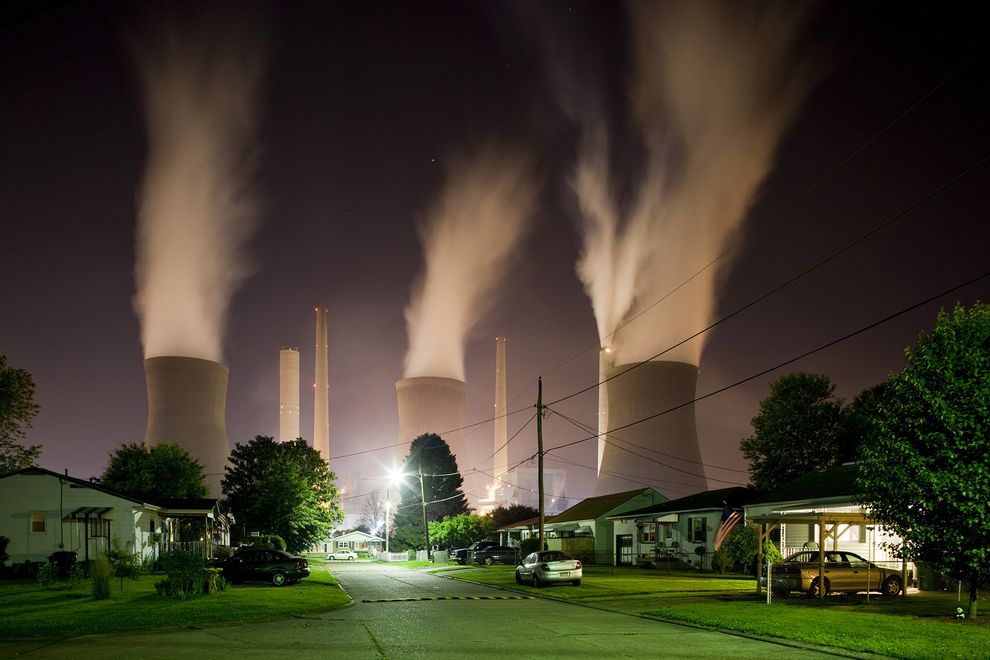
In West Virginia, USAthe people ask for answers to dark questions. And so we pray, we look for compassion as we build God’s kingdom.
If you love those who love you, what recompense will you have?
In our own home town the people ask for honesty and justice. And so we pray, we look for love as we build God’s kingdom.
We are not much different from those people who listened to Jesus two thousand years ago; we too, hunger for security, healing, truth, forgiveness and redemption.
Be perfect, just as your heavenly Father is perfect. And so we pray, we look for endurance as we build God’s kingdom.
National Geographic News: West Virginia’s Chemical Valley
The perfection God asks of us lies not in our living a life without mishap; rather, it lies in our persistence to return to the Law of Love no matter how far we stray. The kingdom Jesus describes is not in some distant future when all God’s children have suddenly seen and corrected the errors in their lives. The kingdom of God is here and it is now. God’s forgiveness and mercy are here and now. God’s healing and presence are here and now. God’s compassion and love are here and now. Let us take strength from the one who created us, take heart from the one who accompanies us, and peace from the one who dwells within us. Amen.
Therefore, take these words of mine into your heart and soul. Bind then at your wrist as a sign, and let them be a pendant on your forehead.
We study Hammurabi’s Code; we memorize the Ten Commandments; we risk all that we have to create constitutionsthat guarantee security and liberty; we come together as nations to proclaim that children have universal rights; we preach our own set of laws each day in the way we interact with others.
Teach them to your children, speaking of them at home and abroad, whether you are busy or at rest.
We pass along the good and the bad, the graced and the terrible; we live our own Gospel as we go about our work and play.
And write them on the doorposts of your houses and on your gates, so that, as long as the heavens are above the earth, you and your children may live on the land which the Lord swore to your fathers he would give you.
It is a great irony that so much violence takes place in the name of God. Let us consider these words today and determine to live an exterior life that enacts the love of God who lives within each of us.
The second half of the “Dry Bones” chapter brings us the Oracle of the Two Sticks through which we understand that the splintered kingdoms will be re-united – an event thought totally unbelievable – and that the exilethe people suffered was not God’s rejection of them. The chapters following this one describe the battle against Gogand the end-of-time feast in the restored Jerusalem. Thus does this portion of Ezekiel’s prophecy tell the reader that what is thought impossible ispossible for God; it tells us that God never abandons us even when we abandon God. And it tells us that God loves us even when we believe ourselves to be rejected.
What does all of this mean for us? Ezekiel reminds us that the most hopeless cases have hope in them somewhere, that God acts out of great love to resuscitate what has been lost, and that we are called to do for one another what God does for each of us. All things are possible, mirages become real, and sustenance revives us in the desert of our lives when we move toward conversion rather than away from it, when we move through the brittleness of the dry bones and the desert, toward the refreshing, renewing waters of the oasis God provides for us against all human odds.
There is a line in day eight of a St. Jude novena I used to pray: When the difficult was too great to bear, Saint Jude somehow managed to see that it was lifted. It was almost as if he had set the pattern for one of the branches of the armed services:“The difficult I shall take care of immediately; the impossible (in terms of human power) may take a little longer.” Faith found that humility means power in the eyes of God.
Parry Dalea: This flower blooms in the Tucson desert in Southwestern USA from August to MayAnd so we humbly turn to God and ask that dry bones be resuscitated, that lost faith be restored, and that stifled hope be returned. When we stagger under burdens and find ourselves in trackless sands, we must petition God in the knowledge that the impossible is possible knowing that God will always answer, dry bones will always rise, the desert will always bloom and the oasis will always appear.
As we rise to step into a new morning, perhaps still worried with a burden we could not shake, as we tumble into our beds at night, perhaps still weary at the end of a dry day full of impossibility, we must remember to pray for the impossible . . . for God always finds a way.
From Psalm 63: O God, you are my God, for you I long; for you my soul is thirsting. My body pines for you, like a dry, weary, land without water . . . For your love is better than life, my lips speak your praise . . . On my bed I remember you . . . On you I muse through the night for you have been my help . . . My soul clings to you . . . your right hand holds me fast. Amen.
Tomorrow, a prayer from the valley of dry bones.
Adapted from a reflection written on February 18, 2008.
But the souls of the just are in the hand of God, and no torment shall touch them. They seemed, in the view of the foolish, to be dead; and their passing away was thought an affliction and their going forth from us, utter destruction. But they are in peace. For if before people, indeed, they be punished, yet is their hope full of immortality; chastised a little, they shall be greatly blessed, because God tried them and found them worthy of himself. As gold in the furnace, he proved them, and as sacrificial offerings he took them to himself. In the time of their visitation they shall shine, and shall dart about as sparks through stubble; they shall judge nations and rule over peoples, and the Lord shall be their King forever. Those who trust in God shall understand truth, and the faithful shall abide with him in love: because grace and mercy arewith his holy ones, and God’s care is with the elect.
As we near the end of Psalm 119 and drink in the message, we begin to understand the wisdom brought to us in sacred Scripture; we experience more fully God’s grace and mercy; and we begin to understand God’s deep and abiding love for even the smallest of the fallen sparks of life.
Nun: The Messiah – Jesus comes to serve as light in an unforgiving darkness and so are we called to bring that same light to a world that waits and watches. This is God’s promise: Christ will always rescue us.
Samekh: The Endless Cycle – Like this circular letter, Christ is beginning and end, Alpha and Omega, source and summit for all. We are called by the Spirit to join in all of creation’s response to God’s call.
Ayin: God’s Providence – We are always in God’s hands although we may not feel it.
Pe: Communication, Revelation of God’s Word– God is constantly revealing the Word to us although we may not comprehend it.
Sadhe: Faith – God’s fidelity saves us although we may not believe it.
Tomorrow, A Prayer for God’s grace and mercy . . . a Prayer for Fallen Sparks.
Our life is a gift from God. What we do with that life is our return gift to God. This is Our Portion.
Remember your word to your servant by which you give me hope . . . My portion is the Lord; I promise to keep your words.
Last week we reflected on how Mary treasured the Word of God in her heart and body. We know that we are created in God’s image; we understand that we are dearly loved by God; and we believe that God constantly accompanies us through life even though we do not always sense God’s presence. This is our portion in life.
As we explore God’s word in Psalm 119 strophes four through eight, let us also examine what our portion is. And let us consider the lessons and promises that unfold.
Daleth: Selflessness– God invites us to take part in creation by living out the Law of Love. Do we accept this door that invites us to love?
He: Thought, Speech and Action – We see how me might answer God’s call: first in our thoughts, then in our words and finally in our deeds. Do we accept this challenge to believe in God’s promise?
Waw: Connection– Even if we try to deny our connection with God it exists; even if we turn our back on God, God continues to dwell within. Do we recognize the portion God gives to us?
Zayin: Woman of Valor – God enters the human race in the person of Jesus, relying on a woman of valor, Mary. Are we equally willing to accept God’s presence in our lives?
Heth: The Life Value of Run and Return – We sometimes fail to recognize God in the marginalized who live at the edges of society. Are we willing to run toward the poor, the sick and the outcast in our return to God?
Lord, teach me . . . Give me insight . . . Turn away from me the taunts I dread . . .
We know that we have finally fallen in love with God when we admit that God is great and good.
God says: Despite what you may sometimes believe, I want to bring you to your fullest potential. In the moment that I created you I also created a special hope for the world. And that special hope lies in you. All of my “laws” and “statutes” are nothing more than my desire to bring you to the one central law which is to love one another . . . even your enemies. This is the insight I have for you. It is this: that you are the promise and the hope of the world just as Jesus is. Follow him and you will see the impossible become possible before your very eyes.
We can never know what is possible until we ask. We can never know what is merciful until we forgive. We can never know what is fullness until we love.
Today we reflect on the fifth lesson in Psalm 119. It is a reminder that God created us with the potential to transform others in Christ. Tomorrow, Waw.
Jesus said to them: “The harvest is abundant but the laborers are few; so ask the master of the house to send out laborers for the harvest. Go on your way . . . Carry no money bag, no sack, no sandals” . . . They returned rejoicing, and said: “Lord, even the demons are subject to us because of your name”. (Luke 10:2, 3-4, 17)
I lie prostrate in the dust; give me life . . . I disclosed my ways and you answered me . . . you open my docile heart . . .
We find ourselves at our lowest ebb; we see the abyss yawning before us . . . and yet we know that God is with us; we know that God has the power to do the impossible with, and for, and in each of us.
God says: You may see your world as hostile and lacking nourishment yet what I see is a universe of hearts and souls. When you bring me your dreams I dream them with you. When you bring me your pain I suffer with you. When you bring me your joy I celebrate with you.
We must strive to be open and vulnerable to God. We must put aside our reliance on self rather than God. And we must be willing to dream what at first seems impossible.
Today we reflect on the fourth lesson in Psalm 119. It is a reminder that with God all things are possible. Tomorrow, He.
Jesus said to them: If you have faith the size of a mustard seed, you will say to this mountain, “Move from here to there”, and it will move. Nothing will be impossible for you. (Matthew 17:20)
Robin Anderson: Mary Holding Baby Jesus Looking Up Towards the Light
Treasuring God’s Promise
Mary kept the Word of God in her body as the pre-natal Jesus grew in strength. She also kept the Word in her heart with reflection and prayer. We are told that she pondered the verbal and physical message she was brought. She knew that she was to bear light to the nations. She also knew that she need only allow God’s Word to transform her life in order for her to bear fruit. She knew that trust in God alone was enough . . . and in this way she treasured God’s promise.
As we explore God’s word, let us also treasure the promise we know it holds. Today, let us reflect on the first three letters of the Hebrew alphabet as the psalmist shares them with us. And let us consider what lessons and promises they unfold.
Aleph: The Paradox of God and Humans – God calls humans into creation. How do we respond?
Beth: God’s Dwelling Place Below – Mary agrees to serve as the ark for God’s New Covenant. How does she find the courage to say yes?
Gimel: Reward and Punishment – The duality we find in this letter reminds us that we are created with a free will. We are free to choose a world of either/or, a choice that divides. We are also free to choose a world of “and,” a choice that includes. Which world do we choose?
Tomorrow, a prayer to fulfill God’s promise in us.
Adapted from a reflection written on the Feast of the Immaculate heart of Mary on June 16, 2007.