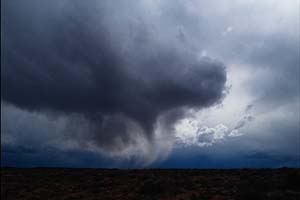
Wisdom cries aloud in the street, in the open squares she raises her voice . . .
We humans are not the only ones who cry out for God’s mercy. Wisdom herself asks God for generous integrity.
God says: Those who commit evil acts do not see that they set traps for themselves. Otherwise they would turn to me and cry out for mercy. Those who abide with me understand that I have created each of you with the potential for goodness. You do well to consult with Wisdom . . . for she knows my ways . . . and she is always prepared to guide you home to me.
We say we seek wisdom and yet . . . do we call on her?
For more thoughts on where and how to find wisdom, enter the word Wisdom in the blog search bar and reflect.
Then the Lord addressed Job out of the storm and said . . .
In this first of the Wisdom Books there is much to learn. A loyal and faithful servant is suddenly struck with misfortune and is further beset by a long series of disasters. Friends berate him; his wife suggests that he curse God and die; yet through all of the adversity Job keeps his eye on God and his heart in God’s hands. And it is out of the storm that seems to destroy Job that the Lord speaks.
God says: Despite what some may believe I do not delight in the troubles that stalk the world. Although you may not fully recognize my presence I am with you always. Regardless of what others tell you, I will not abandon even one of you or take my watchful eye from you. I accompany you through the heavy times as well as the joyful ones. Even as the storm of life rages around you I am in the tempest, and it is out of this tempest that I speak to you as I speak to my servant Job to ask: Were you present when the land and her creatures were created . . . were you there when I placed the stars in the heavens . . . have you ever made the sun rise or the tides ebb? You do not know the intimate details of my plan but know that I hold you in the palm of my hand. The calamity that appears so enormous to you is as a grain of sand to me and yet from that grain of sand will come a pearl of great price. Abide with me as Job does . . . and see what plans I have in mind for you. Plans for you joy and not your woe.
As Paul tells the Romans, and us: Oh, the depth of the riches and wisdom and knowledge of God! How inscrutable are God’s judgments and how unsearchable are God’s ways! For who has known the mind of the Lord or who has been God’s counselor? Or who has given God anything that he may be repaid. For from God and through God and for God are all things. To God be glory forever. Amen. (Romans 11:30-36)
Although we cannot hope to comprehend God’s economy, we have hope in the resurrection. Although we cannot hope to feel God’s immediate presence in the storms that enter our lives, we have hope in God’s love.
Spend time with the Book of Job today, or enter the word Job into the blog search bar and reflect on Job’s story.
But Jesus often withdrew to lonely places and prayed. (Luke 5:16)
Jesus, knowing that they intended to come and make him king by force, withdrew again to a mountain by himself. (John 6:15)
And after leaving them, he went up on a mountainside to pray. (Mark 6:46)
The Pharisees went out and plotted how they might kill Jesus. Aware of this, Jesus withdrew from that place. (Matthew 12:14-15)
Jesus withdrew to a region near the desert, to a village named Ephraim, where he stayed with his disciples. (John 11:54)
When Jesus heard what had happened [to John the Baptist], he withdrew privately by boat to a solitary place. (Matthew 14:13)
Jesus withdrew with his disciples to the lake, and a large crowd from Galilee followed. (Mark 3:7)
James Tissot: Jesus Commands his Disciples to Rest
Recently in our Noontimejourney we have examined how to best survive the ups and downs of a life lived in discipleship. We have reflected on how to best withstand the plots and schemes devised by the discontented. We have focused on how to best respond to God’s call. And through all of this we may find ourselves exhausted. If this is so, we must do as Jesus and his companions did . . . we must go apart for a time.
If you are able, make the intentional effort of leaving one day a week to re-connect with the treasure of yourself. If you have spent much time with chores and tasks, put them aside and go out into the world to experience the gift of connecting with others. If you need time on your own, set yourself apart for a time either alone or with someone with whom you need to re-connect. Put away anything that takes you away from restoring your soul and re-filling your well. Our world draws us into or out of ourselves in such alluring ways that before we notice, we have either detached ourselves from human community or we have thrown ourselves entirely into it without listening to our hearts. What we seek today is a bit of balance for with balance comes wisdom and peace.
To help us reflect, let us look at some of the images created by James Tissot, and let us remind ourselves that we are in each of these scenes. Let us thank Christ for walking with us each day even when we forget his presence. And let us carry Christ to others as we have been asked to do.
James Tissot: Jesus Teaching by the Seashore
If you have a favorite citation from scripture in which Jesus withdraws for a time either alone or with his disciples, insert it in the comment box below. If you are more visual, search the net for another of Tissot’s scenes from The Life of Christ and share that link in the comment box.
May each of us come away with Christ for a time, may each of us restore the soul and settle the heart, and may each of us enjoy a day of peace and balance.
James Tissot (1833-1902) was “a nineteenth-century French painter who for the first part of his career had a reputation as a ‘French society painter [whose subjects were] the costumes and manners, occupations and pleasures of the French capital’s elegantes.’ This all changed in the early 1890s when Tissot renewed his ties to the Catholicism of his youth after experiencing a vision during a Mass when the priest raised the host. For the rest of his life, he devoted himself to the series of religious paintings numbering in the hundreds given here. Tissot’s lasting reputation rests on this series The Life of Christ on all periods of Jesus Christ’s life from the Annunciation to the Resurrection”. (Berry)
This Psalm is full of advice about how we are to calm our fears, unburden our hearts and unbend our stiff necks. It is a practical list of specific strategies for a universal audience . . . rich and poor alike!
My lips will speak words of wisdom. My heart is full of insight. How does the psalmist arrive at such understanding and perception?
I will turn my mind to a parable. . . Story telling is a popular pastime in a culture in which most of the population is uneducated and beyond their entertainment value, parables are used to instruct the illiterate using the technique of comparison to teach. As we read, hear or form parables of our own the burden of our worries lifts.
With a harp I will solve my problems . . . Music soothes the soul, as we know, and the ancient Hebrew people understood this. The harpand flute were used in ancient cultures to both entertain and to quiet the soul. Saul calls for David and his harp when he is troubled (1 Samuel 16:23). There are at more than a dozen references to praising God with the harp in Scripture and here the psalmist calls for the use of its comforting tones. As we sing to God and praise God’s wisdom and power and goodness the problems that besieged us begin to dissolve.
Why should I fear in evil days the malice of the foes who surround me, men who trust their wealth and boast of the vastness of their riches . . .Finally the psalmist tackles problems common to all humanity from the earliest stories in our culture to the present day: envy, greed, pride, an attitude of self-sufficiency, a desire to control. As we come to realize that no one – not even the super-rich – can avoid the great equalizer, death, we find new energy and rise to new life.
But God will ransom me from the netherworld; he will take me to himself . . . The Old Testament psalmist foretells the coming of Christ with his story of healing, restoration and resurrection. The psalmist assures us that as we come to fully understand that God alone creates and God alone saves, nothing that takes place in evil days will be able to strip the promise of life eternal from us.
And so we pray . . .
Eternal and powerful God, open our hearts to receive your wisdom as we sing your praise with harp and flute.
Loving and healing Christ, open our minds to your parables that teach us how to flourish as we grow and blossom with your wisdom and insight.
Abiding and consoling Spirit, open our souls to your loving presence as we learn to abide only in you.
We have spent time this week remembering that God turns harm into good, that God turns all plots on their heads, and that God is particularly close to the broken-hearted. Rather than hate those who seek to harm us . . . let us pray for their conversion as we remember that . . .
We are afflicted in every way but not constrained . . .
Despite the pain and suffering we will survive when we remain in Christ.
We are perplexed but not driven to despair . . .
Despite the confusion and fog of oppression we will survive when we live in Christ.
We are persecuted but not abandoned . . .
Despite the trials and betrayals we will survive when we abide in Christ.
We are struck down but not destroyed . . .
Despite the plots and schemes of those who hate us we will survive when we pray in Christ.
We who live are constantly being given up to death for the sake of Jesus, so that the life of Jesus may be manifested in our mortal flesh.
Despite death and loss we will survive when we love in Christ.
Through the prophet Isaiah (55:11) God tells us: My word shall not return to me void, but shall do my will.
These words settle over us and give us a framework for our own prayer work in these quiet weeks as summer begins and we remind ourselves that despite any plot against us we are called to repair and heal ourselves and others. We are called to receive the gift of ourselves from God. We are asked to share our gifts with others and to send back to God this gift of self in our words and works.
So let us join one another in our journey and pledge to hear this story and truly take it in to make it a part of our being. Let us receive it with a willing heart and return it to God in prayer and thanksgiving. May God’s word return not void but rather full of our willing acceptance of the life offered by God . . . full of our loving acceptance of God’s will . . . full of our hope that the potential God places in us will be fulfilled according to his plan.
And so we pray for those who plot and scheme against us . . .
Good and patient God, lend us your patience.
Good and gentle God, send us your counsel and wisdom.
Good and gracious God, hold us in the eternal knowledge that you will bend all plots and schemes to your holy will.
“The psalmist shows that the righteous are often defenseless before the cynicism of the machinations and calumnies to which they are prey. Those who weave their intrigues act in shadows and believe they are hidden from view. However, God sees everything, even secret human actions and designs. His judgment overtakes those who evade justice . . . God will turn their evil against the wicked while publicly acquitting the righteous. Each life will be brought before the judgment of God; the righteous will find their joy in the Lord”. (The Psalms 161)
I suspect that every one of us has been the victim of a perfect plot at one time or another in our lives. Perhaps it was an adolescent bullying that set us apart and taught us a lesson. Maybe there is jealousy in our workplace and we have become the object of someone’s campaign to see that we find the office too ugly a place to stay. Or it is possible that within the sanctity of our family or prayer circle – the very refuge where we take shelter from the storms of life – we have been the object of a perfect plot. If this is so, we feel the angst and sorrow in this psalm.
We have visited this theme before. If we type the word couchesor Susana, or plotinto the blog search bar we will find other reflections in which we have struggled with the apparent immunity of those who lie on their dark couches and willfully plot to inflict harm on the faithful. The psalmist today rails against this seeming imperviousness to consequences but he also reminds us that God is in charge . . . that this kind of suffering is part of our human condition . . . and that although we may not see the consequence exacted from these evil ones, still God holds them to an accounting. It is best to let the matter lie there and avoid thoughts of revenge or payback of any kind. It is best to allow God to tend to these perfect, secret plots as only God can . . . with deep wisdom, with unblemished justice, with transparent grace, and with a full and burgeoning love of humanity.
I was taught as a child to pray for my enemies and today, as I read this psalm, I come to understand that only God can handle real evil. Only God can create a plan that saves all. And only God has the wisdom, beauty, and power to convert into goodness our dark and devious conspiracies.
If only we might remember that Jesus died as a result of an evil intent that took hold of those who laid out their perfect plot against him. If only we might follow Jesus’ example as he prays for his killers. If only we too might intervene on behalf of those who construct perfect plots against us . . . and if only we might ask our compassionate and patient God for forgiveness and renewal for all.
Tomorrow, the mystery of God’s reversal . . .
A re-post from June 9, 2013.
THE PSALMS, NEW CATHOLIC VERSION. Saint Joseph Edition. New Jersey: Catholic Book Publishing Company, 2004. 161. Print.
We have been reflecting on the Trinity this past week and have concluded that the goodness and compassion lives within each of us even though it may be difficult to discern. Today we consider the goodness that lives within each of us – the well-behaved along with those who intend destruction. And in Proverbs we find sound advice that blooms when read through the lens of the New Testament and the covenant of the new Law of Love.
Toil not to gain wealth; cease to be concerned about it; while your glance flits to it, it is gone! . . .
Remove not the ancient landmark, nor invade the fields of orphans; for their redeemer is strong; he will defend their cause against you . . .
Apply your heart to instruction, and your ears to words of knowledge . . .
Get the truth and sell it not – wisdom, instruction and understanding . . .
Let your father and mother have joy; let her who bore you exult . . .
We are also told to beat our boys with a rod so that they do not die. Of course when we consider the context of this advice we understand the wisdom of the era; today we know that brutality only begets more brutality, brings on depression and initiates waves of violence.
The Book of Proverbs has much to say to us. It is best taken in parts and considered in light of its era. When allowed to rest in our hearts for a time, it nurtures the seeds of wisdom planted within by the Maker, redeemed and transformed by the Savior, and cherished and graced by the Spirit. We have only to open our hearts and ears; we have only to meditate on the Word . . . to know that goodness created us . . . and longs to live within us.
James is considered to be the Wisdom Book of the New Testament, and we find ourselves in a place today where God’s word comes to us from different directions to bring us a valuable lesson: Steadfastness and humility are needed if we wish to avoid foolishness, and if we wish to live in peace and wisdom.
Jesus ben Sirach, the recorder of these wonderful sayings, gives us the tenets on which the wisdom of the New Testament stands. In this chapter Sirach gives us some wonderful sayings. Each of us will have our favorites but here today are a few about the power of speech to hurt or heal.
Fools’ thoughts are in their mouths, wise men’s words are in their hearts . . . When an intelligent man hears words of wisdom, he approves them and adds to them; the wanton hears them with scorn and casts them behind his back . . . A fool’s chatter is like a load on a journey, but there is charm to be found upon the lips of the wise . . . The lips of the impious talk of what is not their concern, but the words of the imprudent are carefully weighed . . . When a man curses his adversary he really curses himself . . . A slanderer besmirches himself, and is hated by his neighbors.
We find these same beliefs in the opening of James’ letter to the universal church in which he reminds us in 3:1-12 that the tongue is a small member [of the body] but has great pretensions. James further amplifies all of this wisdom and warns of the power of our own words to deceive our own selves about who we are and what we are doing. He reminds us that humilitybefore God and steadfastnessin following God are needed if we wish to move through life adhering to the wisdom principles. He writes: Know this, my dear brothers: everyone should be quick to hear, slow to wrath . . . Be doers of the word and not hearers only, deluding yourselves. For if anyone is a hearer of the word and not a doer, he is like a man who looks at his own face in the mirror. He sees himself, then goes off and promptly forgets what he looked like. The one who peers into the perfect law of freedom and perseveres, and is not a hearer who forgets but a doer who acts, such a one shall be blessed in what he does.
When we find ourselves in a quandary about what action to take, when we are uncomfortable but know not why, when we cannot understand the reason for our suffering, we have two roads always open to us: The Wisdom Road, or the Road of Foolhardiness. How do we discern which is which? Both Sirach and James tell us. We ask for clarity from God about his wisdom in our personal lives and while we wait for its coming, we prepare the ground to receive its holy presence in our hearts. We prepare to hear andact on something we may not like. We stop talking so much . . . and we listen more . . . and we do.
If we remain constant and in constant dialog with God we are continually surprised by God’s goodness. When God’s is the first advice we seek, we cannot go wrong; our daily battles will be upheld, and we will stand in awe of God’s generosity.
The Levite hymn of praise that appears in this chapter is thought, by some scholars, to have been added later; other experts believe that it so reflects The Chronicler’s style that it must have always been included in this part of David’s story. That discussion aside, we can see that David, at this point in his life, makes no decisions without God’s input. The years he spent on the run avoiding Saul’s troops and making his little guerrilla strikes, have prepared him well for this. We see here someone who understands that even those close to us, those to whom we have pledged our loyalty and love, can and will betray us, someone who understands the importance of fidelity, perseverance and thanksgiving. The David we see today has come through fire and understands his place in God’s plan, and he understands and accepts his ministry as his vocation.
When we read David’s entire story, we also see that David slips into separation from God. He is never, nor are we, a finished product. He is in process with God and his faith journey will take him many places before it ends in old age. Even at his death, David is embroiled in the argument of which son will rule after him and the death of his beloved Absalom will bring him deep sadness in his final days; yet David continues to commune with God, to listen and to daily dialog, and to live out his ministry as a faithful servant.
Each of us has a ministry we hope to fulfill. I admit to struggling with my own vocation. It would be so much easier, I say to God regularly, if I did not have to do all that God asks, if I might pick and choose my own works as I see them suiting my talents. The reply alwaysreturns with an accompanying chuckle: God knows that the path is full of obstacles, and God knows how we tire. It is for this reason that God abides constantly, never leaving our side. God knows well the plans God has in mind for us, as the prophet Jeremiah tells us (29:11), and God desires to surprise us at every turn with an encouraging smile, a loving caress, a kiss that does not betray. God’s constancy and goodness and wisdom are tools lent to us in order that we perform our ministry. God also provides us with little respites at oases that suddenly and surprisingly appear. Those are the moments in which we might raise our own hymns of praise just as the Levites do in today’s reading.
As we remain constant, we remain close to God. As we remain close, we commune with God. As we commune, we worship. Let us lift our voices together in a paean of praise.